Source Adjustable Silicone Protective Goggles for Industry
Find 30 adjustable silicone protective goggles from verified suppliers. Compare features like anti-fog, anti-scratch, and UV protection. View pricing, MOQs, and customization options for industrial and sports safety needs; compare the available evidence and request quotations based on your requirements.
Key considerations
Products List




Comprehensive Sourcing Guide
Adjustable Silicone Protective Goggles Sourcing Guide
Procuring adjustable silicone protective goggles requires a nuanced understanding of material properties and fit dynamics, as these factors directly influence worker comfort and safety compliance. The core keyword highlights a specific design preference where soft, flexible materials like silicone, TPE, or TPU are used for the frame or seal to ensure a secure, leak-proof fit around the eye socket. Buyers must distinguish between general-purpose industrial safety glasses and specialized goggles that offer higher levels of protection against chemical splashes, dust, or impact. The adjustable nature of the headband or strap is critical, allowing for customization across different head sizes and ensuring that the goggles remain stable during vigorous physical activity or in environments with high vibration.
When sourcing these items, it is essential to verify the specific application context, whether it involves welding, chemical handling, or general construction. The supplied data indicates that products in this category often feature anti-fog, anti-scratch, and anti-chemical fluid properties, which are vital for maintaining visibility and eye health in hazardous conditions. Buyers should also consider the lens material, which may range from polycarbonate to special glass, depending on the required impact resistance and optical clarity. Understanding these distinctions helps in selecting the right product that balances durability, comfort, and protective performance, ensuring that the procurement aligns with the specific safety protocols of the workplace.
Product Scope and Observed Listing Signals
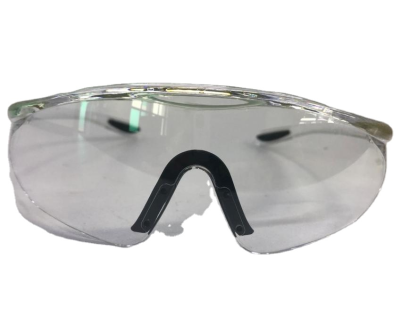
The observed market signals for adjustable silicone protective goggles reveal a diverse range of product attributes that buyers must carefully evaluate. Listings frequently highlight features such as elastic head bands, length-adjustable legs, and headband-type wearing styles, which cater to the need for a customizable and secure fit. The lens types are often specified as replacement lenses or colored variants, with colors ranging from clear to various tints, indicating versatility for different lighting conditions and tasks. Additionally, the style of these goggles is described as simple or sports-oriented, suggesting that they are designed for both industrial use and active environments where mobility is required.
Material composition is another key signal, with frames often made from PVC, soft PVC, TPU, or TPE, providing flexibility and durability. The lenses themselves may be constructed from PC or special glass, offering varying degrees of protection against shock, radiation, and chemical fluids. Some listings also mention customization options, such as custom logos printed on the strap, which is valuable for corporate branding and asset identification. These observed signals help buyers narrow down their search to products that meet specific functional and aesthetic requirements, ensuring that the selected goggles are suitable for the intended use case.
Technical Specifications to Verify
Verifying technical specifications is crucial to ensure that the adjustable silicone protective goggles meet the required safety and performance standards. Buyers should confirm the lens material, whether it is polycarbonate or special glass, as this determines the level of impact resistance and optical clarity. The frame material, typically soft PVC, TPU, or TPE, should be checked for flexibility and durability, ensuring that it can withstand repeated use and adjustment without degrading. Additionally, the presence of features such as anti-fog, anti-scratch, and anti-chemical fluid coatings should be verified, as these enhance the longevity and effectiveness of the goggles in harsh environments.
The adjustment mechanism, whether it involves elastic head bands or length-adjustable legs, should be tested for ease of use and stability. Buyers should also check the packaging details, such as whether the goggles are packed in PP bags or cartons, as this affects storage and shipping logistics. Furthermore, the warranty period, often listed as 12 months, provides insight into the manufacturer's confidence in the product's durability. By thoroughly verifying these technical specifications, buyers can ensure that the selected goggles offer the necessary protection and comfort for their workforce.
Compliance and Safety Documentation
Compliance with safety standards is a non-negotiable aspect of sourcing protective eyewear, and buyers must ensure that the adjustable silicone protective goggles meet relevant regulatory requirements. Certifications such as CE and FDA are commonly listed, indicating that the products adhere to specific safety and quality benchmarks. However, buyers should verify the exact scope of these certifications, as they may apply to different aspects of the product, such as material safety or performance testing. It is also important to check for compliance with industry-specific standards, such as EN 166 for general eye protection or EN 207 for laser protection, depending on the intended use.
Documentation should include test reports that demonstrate the goggles' resistance to impact, chemical splashes, and UV radiation. Buyers should request these documents from suppliers to ensure that the products have been rigorously tested and meet the required safety thresholds. Additionally, the origin of the products, often listed as China or Shandong, China, should be considered in the context of supply chain reliability and quality control practices. By prioritizing compliance and safety documentation, buyers can mitigate risks and ensure that their workforce is protected by high-quality, certified protective eyewear.
Cost Drivers and Commercial Terms
Understanding the cost drivers and commercial terms is essential for effective procurement of adjustable silicone protective goggles. The price range observed in the market varies significantly, reflecting differences in material quality, certification levels, and customization options. Buyers should consider the MOQ (Minimum Order Quantity), which can range from 10 to 5000 pieces, as this impacts the unit price and overall budget. Customization, such as printing logos on the strap, may incur additional costs, so buyers should factor this into their financial planning.
Shipping methods, including express, air, and sea freight, also influence the total cost, with lead times varying accordingly. Some suppliers offer immediate shipment, which can be advantageous for urgent orders, while others may have longer lead times. Buyers should negotiate clear terms regarding payment, delivery, and returns to avoid unexpected expenses. By carefully evaluating these commercial terms, buyers can optimize their procurement strategy and ensure that they receive the best value for their investment in protective eyewear.
Supplier Qualification and Quality Control
Supplier qualification is a critical step in ensuring the reliability and quality of adjustable silicone protective goggles. Buyers should assess the supplier's production capabilities, quality control processes, and track record in the industry. Suppliers with certifications such as CE and FDA demonstrate a commitment to meeting international safety standards, which is a positive indicator of their reliability. Additionally, buyers should inquire about the supplier's quality control measures, such as material testing and final product inspections, to ensure that the goggles meet the specified requirements.
It is also important to verify the supplier's ability to handle customization requests, such as logo printing or specific packaging requirements. Suppliers with flexible production lines and responsive customer service are better equipped to meet the unique needs of buyers. Buyers should also consider the supplier's location, such as Shandong, China, in the context of logistics and supply chain efficiency. By thoroughly qualifying suppliers, buyers can establish a strong partnership that ensures consistent quality and timely delivery of protective eyewear.
Long-Term Procurement Checks
Long-term procurement checks are necessary to maintain the quality and reliability of adjustable silicone protective goggles over time. Buyers should regularly review supplier performance, including delivery times, product quality, and responsiveness to issues. Establishing a feedback loop with end-users can provide valuable insights into the comfort and effectiveness of the goggles in real-world conditions. This feedback can be used to refine procurement specifications and ensure that the selected products continue to meet the evolving needs of the workforce.
Additionally, buyers should stay updated on changes in safety standards and regulations, ensuring that the goggles remain compliant with current requirements. Periodic audits of supplier quality control processes can help identify potential issues before they impact the supply chain. By implementing these long-term checks, buyers can sustain a high level of safety and quality in their procurement of protective eyewear, ultimately protecting their workforce and enhancing operational efficiency.
FAQs
Can adjustable silicone protective goggles be customized with a logo?
Yes, customization is available for these goggles. You can have your logo printed on the strap, allowing for brand visibility. This feature supports both simple and sports styles, making them suitable for industrial or general use where personalized safety gear is required.
What certifications do these protective goggles hold?
These goggles hold CE and FDA certifications. These standards ensure they meet specific safety and quality requirements for protective eyewear. Buyers can rely on these documented credentials when sourcing industrial safety glasses that need to comply with international regulatory frameworks for workplace protection.
What is the typical lead time for shipment?
The lead time allows for immediate shipment. This rapid turnaround supports urgent procurement needs for safety equipment. Buyers requiring quick delivery of dustproof or anti-impact glasses can expect fast processing, ensuring minimal downtime for teams needing essential eye protection in various industrial environments.
What materials are used in the frame and lens?
The frame is made from soft PVC, TPU, or TPE materials. The lens utilizes special glass or PC for clarity and durability. This combination ensures comfort and protection, offering features like anti-fog and anti-scratch properties suitable for welding, dust-proofing, and general industrial safety applications.
What is the minimum order quantity for these goggles?
The minimum order quantity ranges from 10 to 5000 pieces. This flexible MOQ accommodates both small trial orders and large bulk purchases. Buyers can select quantities that fit their inventory needs, whether sourcing for a small team or large-scale industrial deployment across multiple sites.
Are these goggles suitable for unisex use?
Yes, these goggles are designed for unisex use. They feature elastic head bands or length-adjustable legs to fit various face shapes comfortably. This versatile design ensures that both male and female workers can wear them securely, making them ideal for general industrial and sports applications.